Airbnb fire-safety checklist for Welsh short stays

Airbnb and short-let hosting means strangers in your kitchen who have never walked your stairs. Fire safety here is not theatre. It is three practical questions: can guests detect a problem early, can they find the way out after dark, and do they have calm information when they arrive tired?
This checklist is for Pembrokeshire hosts — coastal cottages, stone houses, apartments. It pairs well with a dedicated Airbnb compliance check.
1. Write down how guests actually use the place
Before you buy anything:
- Maximum advertised occupancy
- Whether children or less-mobile guests are common
- Whether lofts, sofa beds, or annexes sleep people
- How guests arrive (late check-ins are normal on the coast)
Those details shape detection and escape more than any generic host template.
2. Check detection where people cook and sleep
Open-plan cottages around St Davids and Tenby need a heat/smoke approach that does not false-alarm every fry-up — while sleeping rooms still get early warning. Unsure? Note it for a compliance visit rather than guessing from a forum thread.
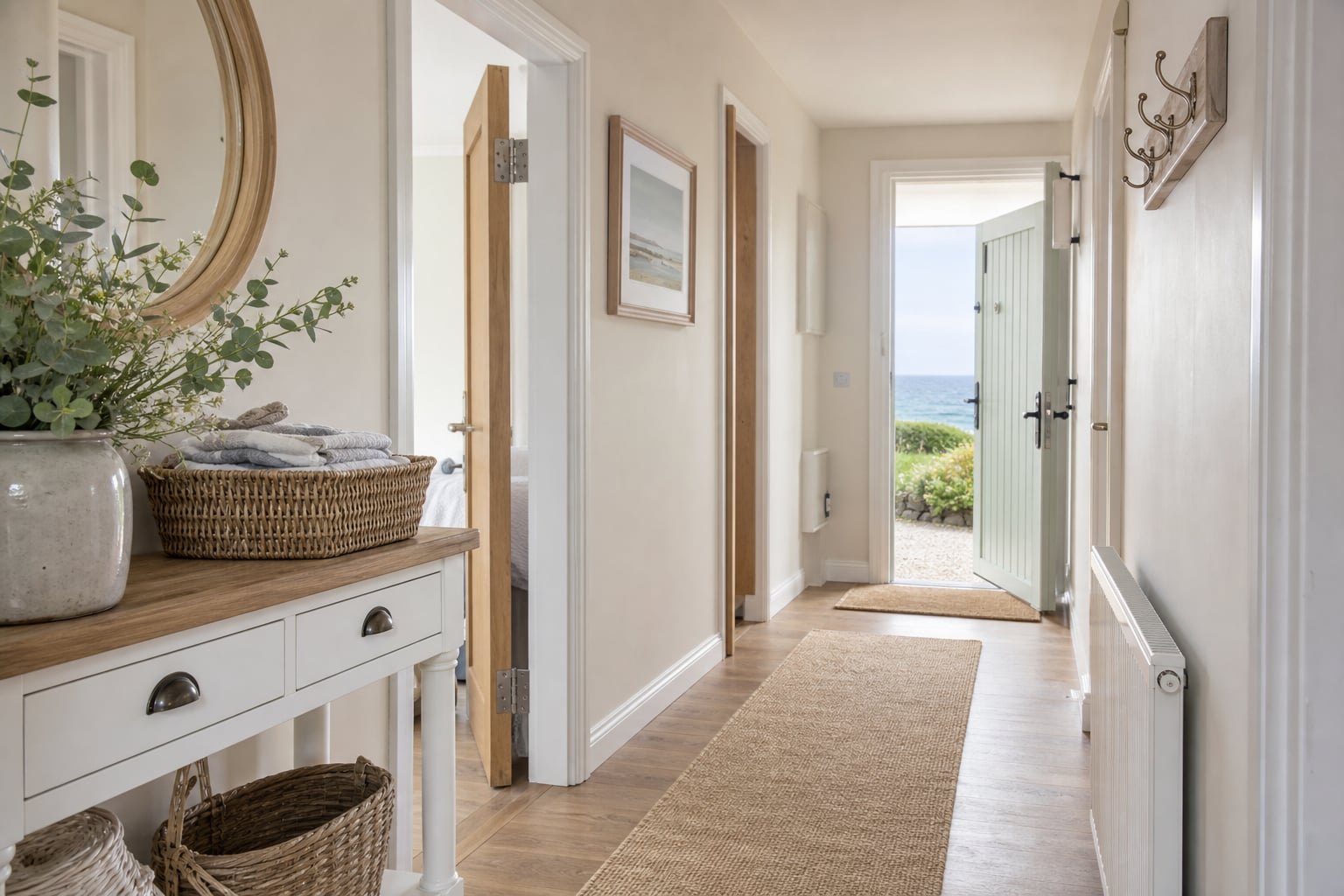
3. Walk the escape route as a guest would
Turn the main lights off. Try the route you expect guests to use:
- Is the path obvious after dark?
- Are keys, latches, or odd door furniture explained?
- Would a first-timer find the exit without ringing you?
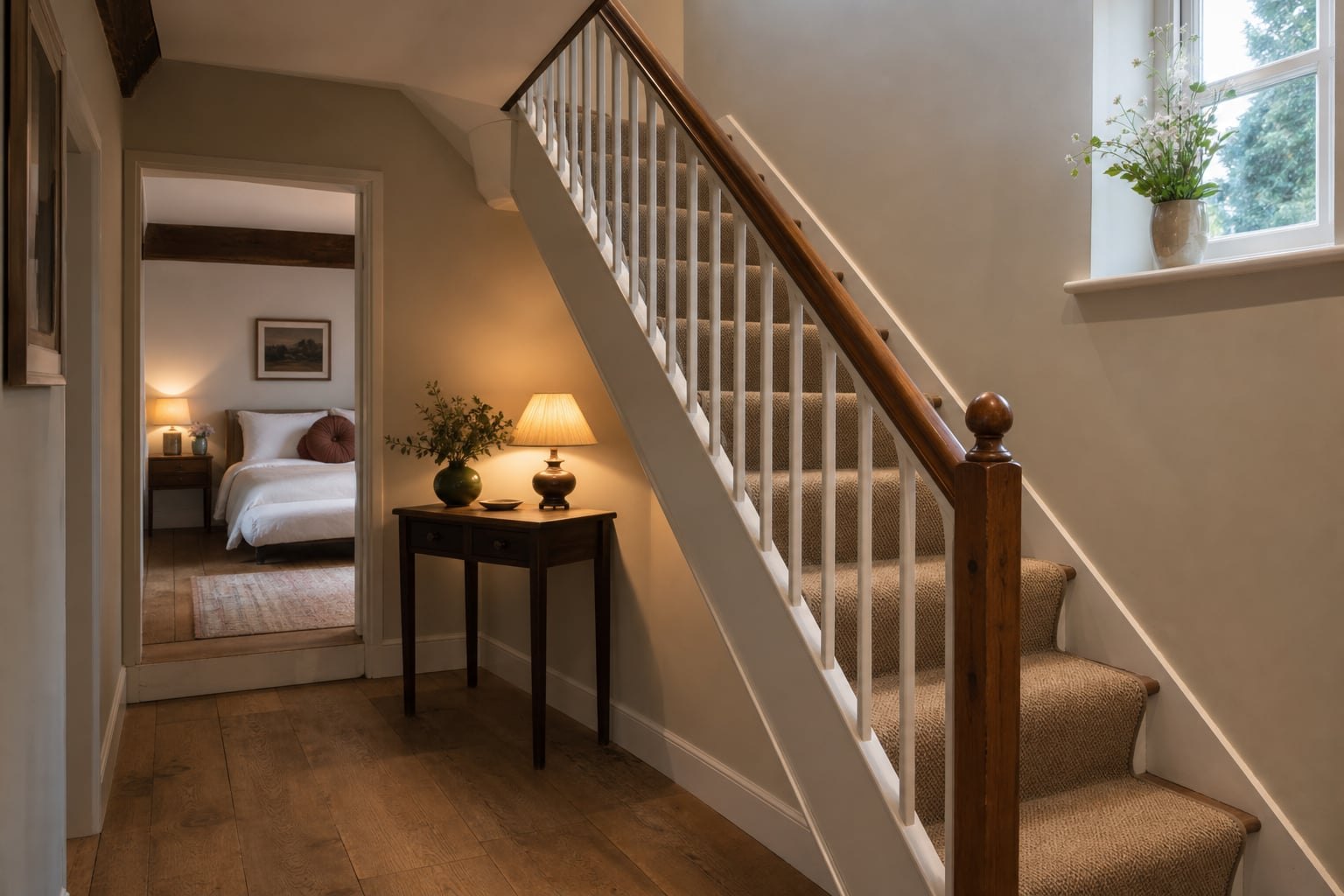
Multi-level lets: also read our notes on escape routes and emergency lighting.
4. Keep guest information short
A paragraph in the digital guidebook beats a wall of policies. Cover:
- Where detectors are (plain language)
- Primary exit and any secondary route
- What to do if they smell smoke or the alarm sounds
- Who to call locally if you are not on site
Tone matters. Guests remember calm instructions.
5. Put cleaners and managers on the same page
If a local team handles turnovers, they should know where detectors sit, how to test them if you ask them to, and where the latest fire-safety notes live. A simple documentation pack stops “I think we sorted that last year” mid-season.
6. Book a proper check before peak
Checklists help you prepare. A structured visit confirms priorities on site. Many hosts in Pembrokeshire book an Airbnb compliance check in spring so actions land before the busiest months.
Pitfalls we see on the coast
- Treating a three-level harbour cottage like a permanent home
- Ignoring annex sleeping used only in August
- Covering walls in institutional signage
- Keeping records in email threads nobody can find in July
Next step
Use this as a conversation starter, then book a free compliance consultation for a property-specific review. Or browse recent compliance work to see how other Pembrokeshire hosts handle the same questions.