Glamping fire safety in Pembrokeshire
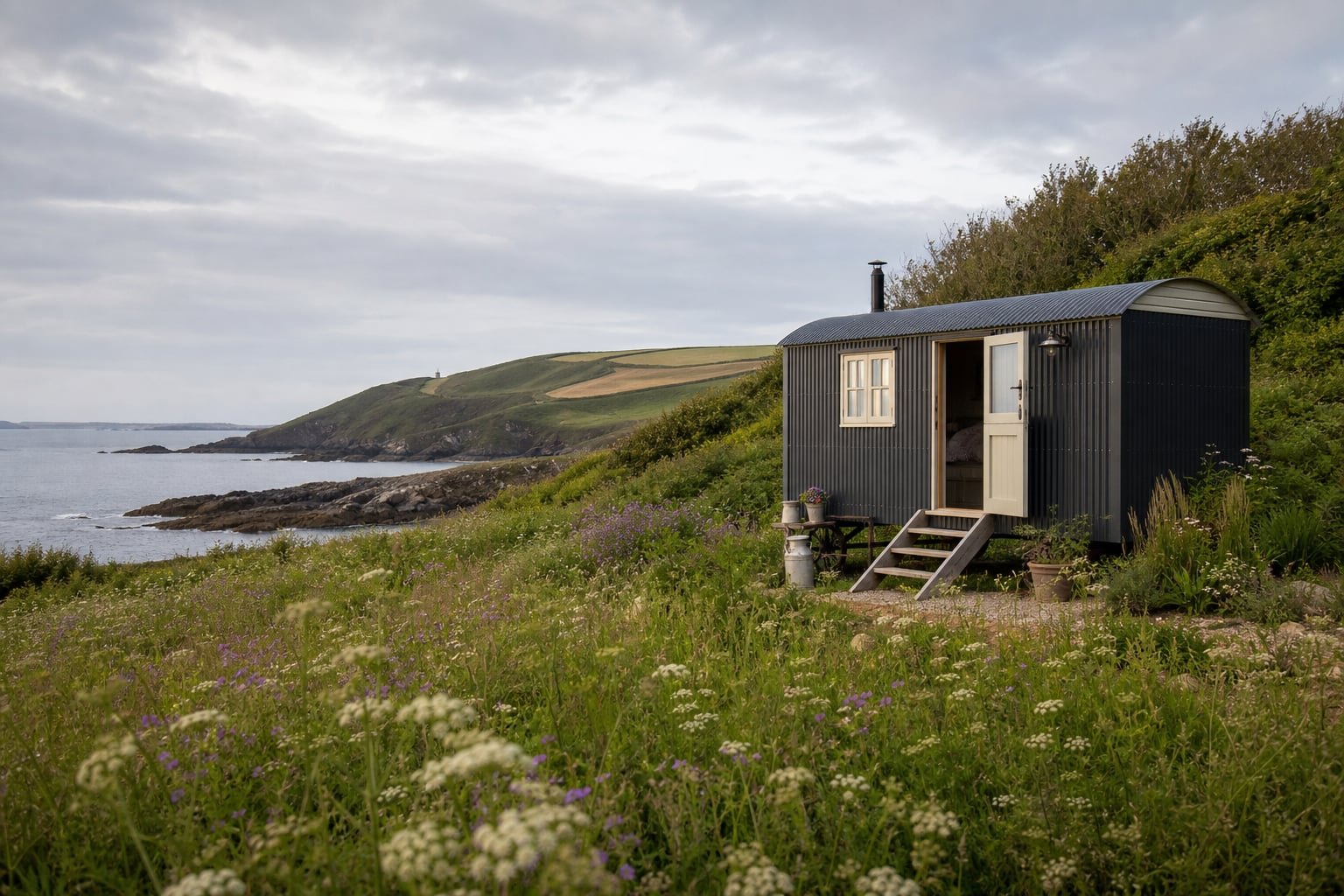
Glamping units are not houses. They are not traditional tents either. Pods, shepherd’s huts, and canvas-rich stays put guests close to heating appliances, outdoor cooking, and informal site layouts. Fire safety has to respect that — not pretend every unit is a hotel bedroom with a field view.
For operators around Fishguard, Newport, and rural sites across Pembrokeshire.
Assess units and the site together
A glamping fire safety review usually covers:
- Each sleeping unit (structure, heating, furnishings)
- Spacing and routes between units
- Shared outdoor cooking or fire-pit areas
- How guests move after dark across fields or gravel
- Seasonal patterns — peak summer versus quieter winters
Site layout matters as much as the interior of a single hut.
Heating deserves special attention
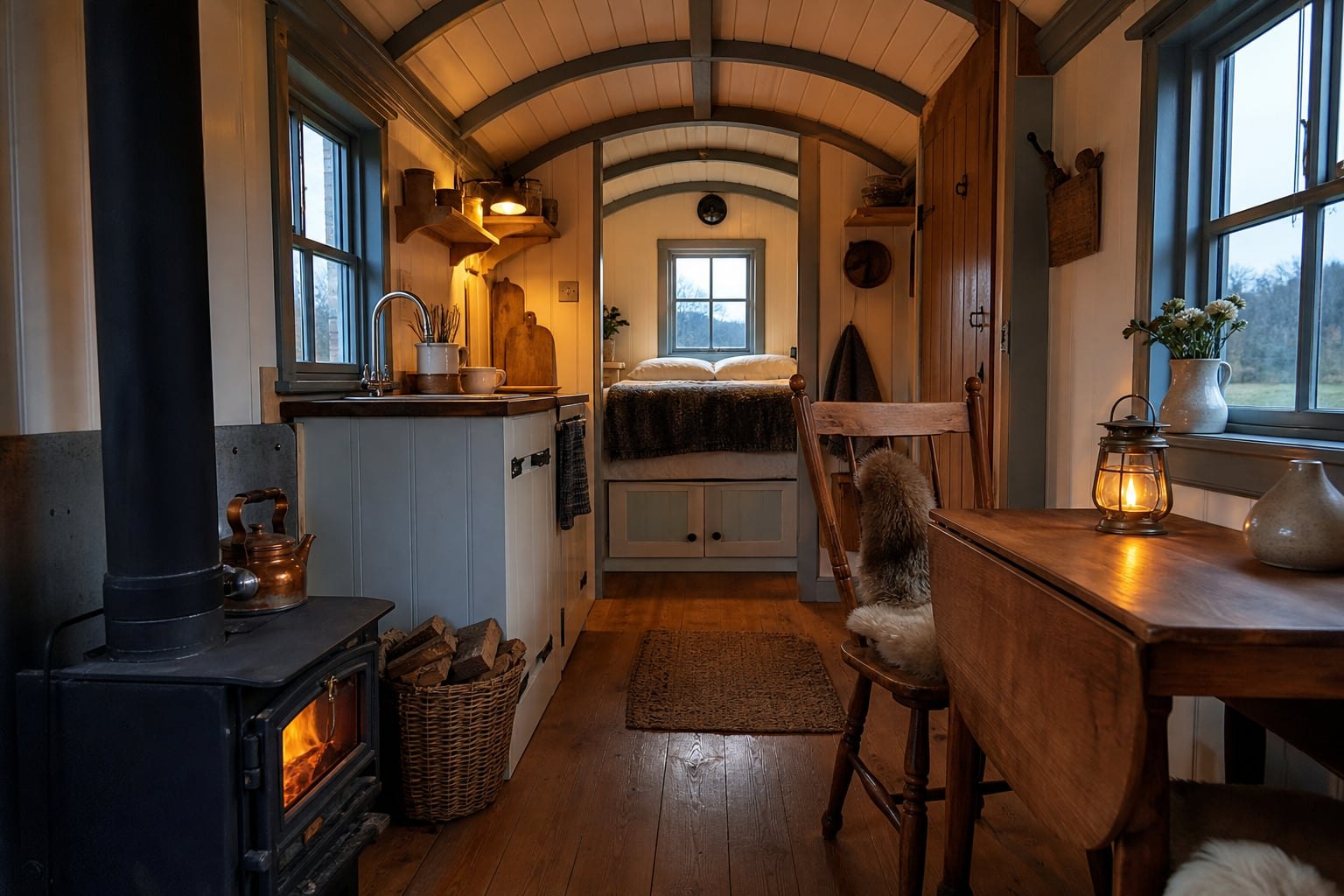
Wood burners and compact heaters are part of the appeal. They also concentrate risk inside small volumes. Focus on:
- Clearances and guest instructions
- Fuel storage and ash handling
- Whether detectors suit the unit type
- What happens if guests misuse the appliance
Calm, specific briefing beats a vague “be careful” note.
Outdoor cooking and communal areas
Shared kitchens, BBQs, and fire pits need rules guests will follow on holiday:
- Where cooking is allowed
- How to extinguish and dispose of embers
- Distance from canvas and timber
- Night-time expectations
Keep rules short. Put them where people actually cook.
Guest briefings that fit the experience
Glamping guests often arrive excited and under-informed. A two-minute welcome covering heating, cooking, and how to raise the alarm outperforms a long PDF nobody opens. Pair the verbal briefing with a single card inside the unit.
Documentation for remote operators
Many Pembrokeshire glamping sites run with seasonal staff or owners who are not always on site. A clear documentation pack helps whoever opens the field on a Friday afternoon.
When to bring in a structured assessment
Book a visit when you:
- Add new units or change heating types
- Expand outdoor cooking facilities
- Prepare for a busier season
- Want one prioritised plan instead of forum advice
Start with a free compliance consultation, then decide whether a full site assessment is the right next step. Related case studies sit in our gallery.