Fire-risk assessments for Pembrokeshire holiday lets
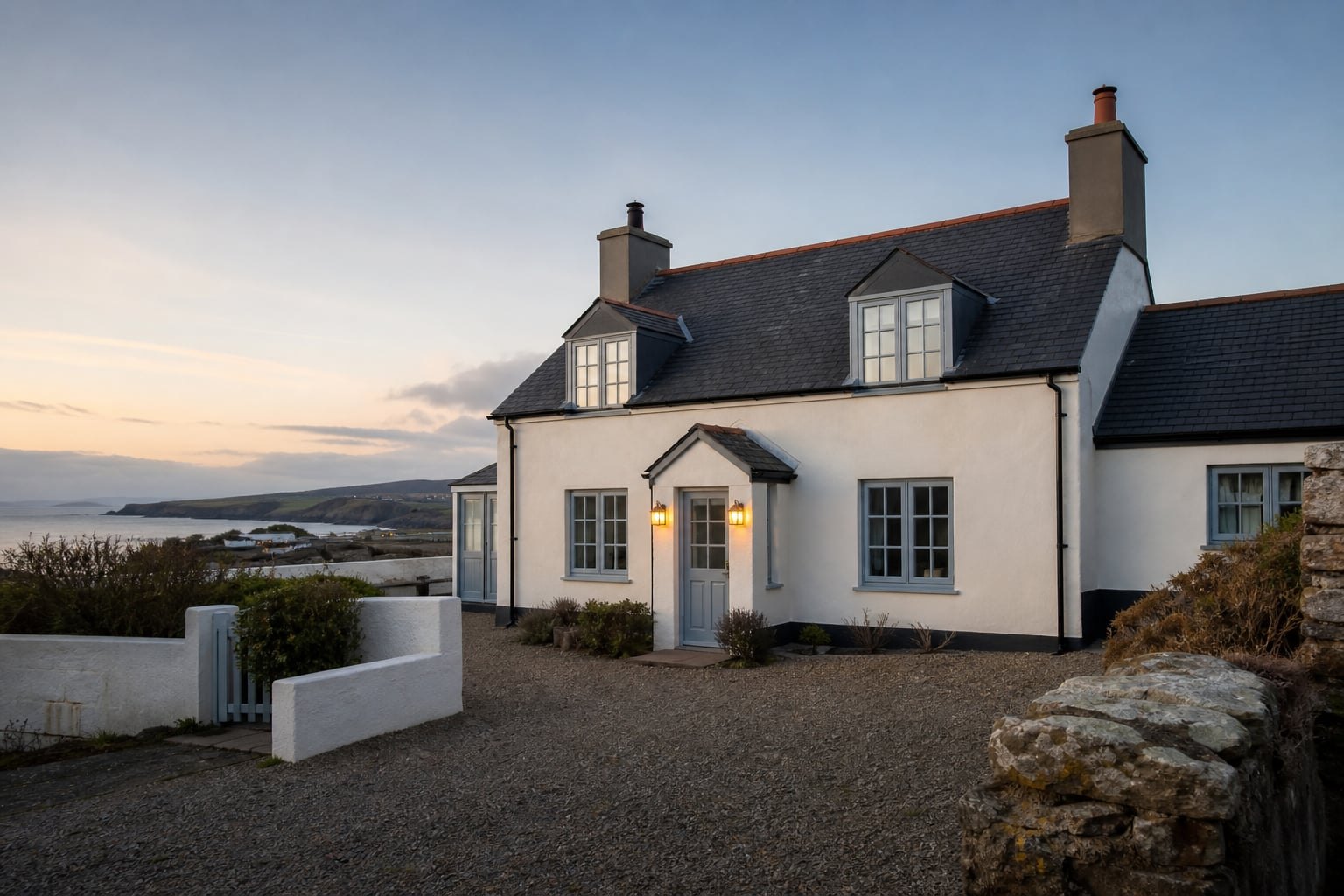
A holiday cottage is not a permanent home. Guests meet the stairs for the first time after a long drive. They cook once, leave towels somewhere stupid, and sleep in rooms you barely use yourself. If your fire-risk assessment ignores that, it is the wrong assessment.
Here is how we think about suitable and sufficient assessments for Pembrokeshire short stays — without turning your let into a checklist factory.
Why short stays need a different lens
A suitable and sufficient fire-risk assessment names hazards, people at risk, and the measures that reduce risk so far as reasonably practicable. For holiday lets, the “people at risk” picture is awkward in a useful way:
- Guests do not know your stairs, latches, or quirks
- Occupancy flips weekly — families one turn, couples the next
- Cleaners and managers often know the place better than the owner between bookings
- Heating and cooking habits vary more than in a long-term home
That is why fire risk assessments for holiday lets start with guest use, not a floor plan alone.
What we usually walk through on site
Every property differs, but a Pembrokeshire visit typically covers:
- Layout and sleeping — lofts, annexes, sofa beds that only appear in August
- Detection — smoke and heat relative to kitchens and bedrooms
- Means of escape — especially multi-level stock in Tenby and harbour towns
- Heating and cooking — solid fuel, gas, electric risks in character buildings
- Guest information — whether the welcome pack explains exits without sounding like a lecture
- Management — who acts between turnovers, and where records live
Coastal and character buildings
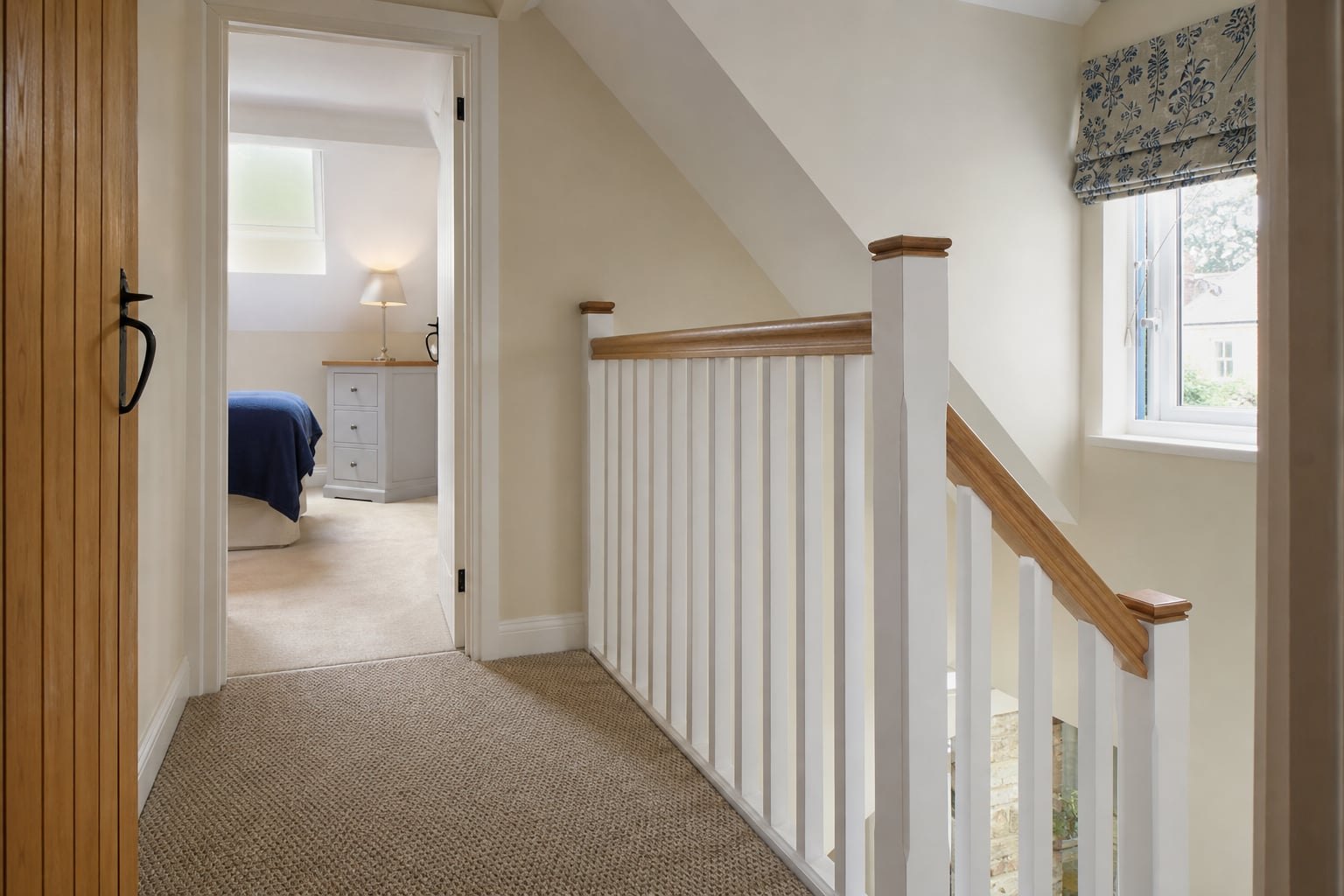
Stone cottages around St Davids, castle-town houses in Pembroke, and compact harbour lets often mean thick walls, steep stairs, and limited alternative exits. Proportionate recommendations respect that. The aim is clarity for guests — not an institutional interior.
Preparing without the panic tidy
A little prep helps:
- Access to all guest areas, including annexes and lofts
- Any existing detectors, extinguishers, or old reports
- How you market the place (sleeps how many, family-friendly, pets)
- Peak-season pattern and whether a local manager handles turnovers
Unsure where to start? Book a free compliance consultation and we will talk scope before any visit.
After the visit
You should leave with written findings and prioritised next steps — not a scare-led shopping list. Many owners also ask for a documentation pack so cleaners and managers follow the same notes between seasons.
Across the county
We work with owners across Pembrokeshire — south-coast apartments to north-coast cottages. One cottage or five: same order of work. Talk it through, visit between bookings if we can, write it down so the next cleaner is not guessing.
Book the visit
Want a practical fire-risk assessment for your let? Request a fire-risk assessment or skim our work. We reply within one working day and aim for changeover gaps where we can.