Guest-house fire compliance — a calm guide for Pembrokeshire hosts
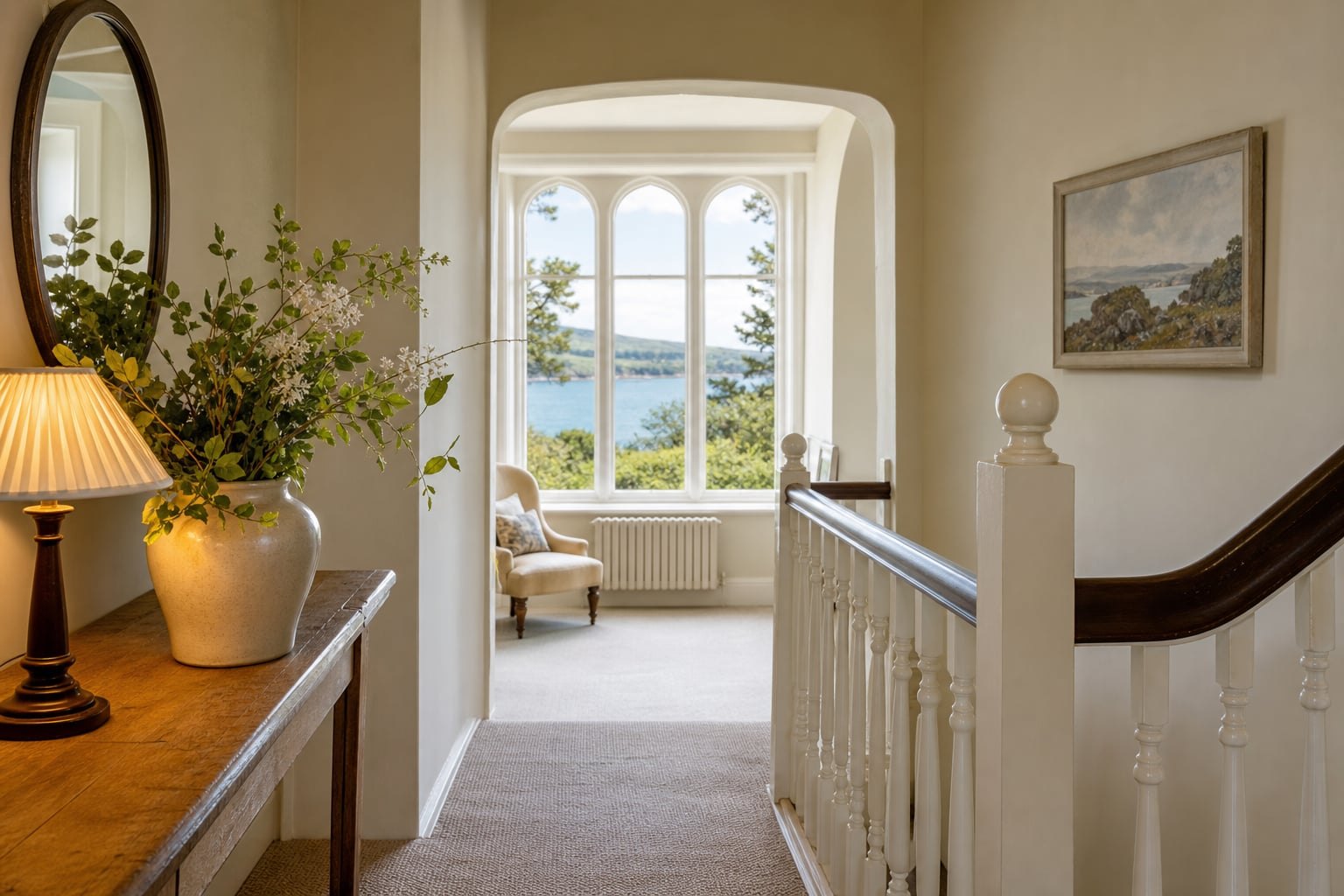
Guest houses sit between a private home and a small hotel. Overnight guests use your corridors, stairwells, lounges, and bedrooms — often in buildings with real character. Fire compliance should protect people without stripping the warmth that makes a stay worth booking again.
For operators in towns such as Haverfordwest and across wider Pembrokeshire.
Think in zones, not just rooms
A useful guest house fire compliance review looks at the building as guests experience it:
- Arrival and reception points
- Stairs and landings used at night
- Guest bedrooms and en-suites
- Shared lounges and dining rooms
- Kitchen and laundry areas used by staff
Hazards and people at risk change from zone to zone. Recommendations should too.
Records staff can find in thirty seconds
The best documentation is the kind a night cover or housekeeper can open without a treasure hunt:
- A one-page summary of priorities
- An action log with dates
- Guest-facing notes that match what staff say verbally
- A reminder for when the assessment should be reviewed
Our documentation work is built for hospitality operations — not filing cabinets that never open.
Training is culture, not a binder
Even a two-room B&B benefits when everyone who hosts knows:
- How the alarm sounds and what to do
- Primary and secondary escape routes
- Who to call, and in what order
- Where guests should assemble if needed
Keep it conversational. Refresh it when staff or seasonal helpers change.
Character buildings deserve proportionate measures
Many Pembrokeshire guest houses occupy older town buildings. Thick walls and quirky stairs are part of the charm. A good assessment respects that — clarity and detection first, institutional aesthetics last.
How this differs from a single holiday cottage
Compared with a pure holiday-let fire safety brief, guest houses often have:
- More overnight strangers at once
- Staff or family living on site
- Breakfast operations and shared dining
- Longer guest relationships (multi-night stays)
Those differences change both risk and the tone of guest communication.
Getting started
- Sketch your guest journey from bedroom to exit
- Gather any existing certificates or old reports
- Note busy periods when a visit would be disruptive
- Book a free compliance consultation to agree scope
Compare approaches in our gallery of recent work, including guest-house projects in Haverfordwest.